

LIMBO
◀
▶








Country
US
Release Date
2015-02-11 00:00:00
Price
399.00
File Size
Varies with device
Game Overview
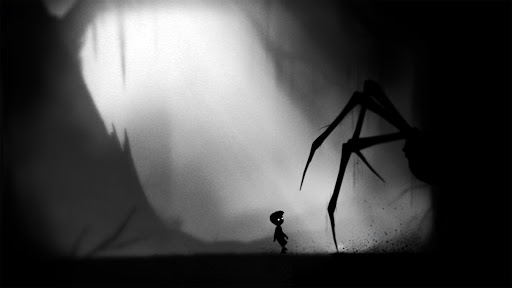
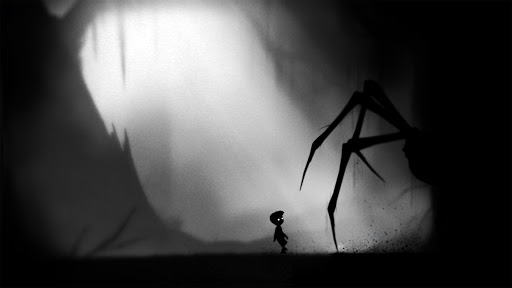
LIMBO is a critically acclaimed puzzle-platformer that immerses players in a dark, minimalist world filled with danger, mystery, and environmental storytelling. You take control of a young boy searching for his missing sister, navigating through eerie forests, abandoned structures, and deadly traps. With no dialogue or explicit guidance, the game relies entirely on visual cues, physics-based puzzles, and atmospheric design to create a deeply immersive and emotionally resonant experience.What Makes LIMBO Stand Out
Atmospheric Black-and-White World
The game’s signature monochrome visual style creates a haunting, cinematic atmosphere that enhances tension and immersion throughout the journey.
Environmental Storytelling
Instead of dialogue or cutscenes, the story unfolds through subtle visual details, encouraging players to interpret meaning on their own.
Physics-Based Puzzle Design
Progress depends on observing the environment, manipulating objects, and solving creative puzzles that often require trial, error, and timing.
Minimalist Yet Emotional Experience
With no UI clutter or explicit instructions, the game delivers a pure, focused experience that heightens emotional impact and curiosity.
Critically Acclaimed Indie Masterpiece
As one of the most influential indie games of its generation, LIMBO is widely praised for its artistic direction, innovative design, and unforgettable atmosphere.
Overall Impression
LIMBO is a deeply atmospheric and thought-provoking experience that blends simple controls with complex emotional and environmental storytelling. It is ideal for players who enjoy artistic indie games, challenging puzzles, and immersive worlds that encourage exploration and interpretation.
Quick Start Guide
Step 1: Enter the Dark WorldStart the game and immediately observe your surroundings carefully, as there are no tutorials or instructions to guide you.
Step 2: Move with Caution
Advance slowly through each area, watching for hidden traps, obstacles, and environmental hazards that can appear without warning.
Step 3: Interact with the Environment
Push, pull, and manipulate objects such as boxes, levers, and platforms to progress through puzzles and unlock new paths.
Step 4: Learn Through Failure
Expect to die frequently—each failure is a learning opportunity that reveals how traps and mechanics function.
Step 5: Observe Patterns Carefully
Many hazards follow timing or movement patterns, so take time to study them before attempting to pass.
Step 6: Experiment with Solutions
Try different approaches to puzzles, as solutions often rely on creative thinking and environmental logic.
Step 7: Progress Step by Step
Advance patiently through the world, combining observation, timing, and experimentation to overcome increasingly complex challenges.
Recommended Games

Spider Fighter 3: Action Game
4.6

Grand Theft Auto: San Andreas
4.3

Dude Theft Wars FPS Open world
4.3

Toca Boca World x Hello Kitty
4.3

Poppy Playtime Chapter 2
4.0

Avatar World ®
4.7

Five Nights at Freddy's
4.7

Cat From Hell - Cat Simulator
4.3

Build A Queen
4.3

Poppy Playtime Chapter 1
4.4

Fortnite
3.8

Clash Royale
4.5

Gangster City: Mafia Crime
3.4

Geometry Dash Lite
4.4

School Party Craft
4.5

Magic Tiles 3™ - Piano Game
4.6
Hole.io
3.2

Garten of Banban 2
4.0

Minecraft: Dream it, Build it!
4.4

Geometry Dash
4.8