

Bottle Jump 3D
◀
▶




Country
US
Release Date
2019-06-30 00:00:00
Price
Free
File Size
Varies with device
Game Overview
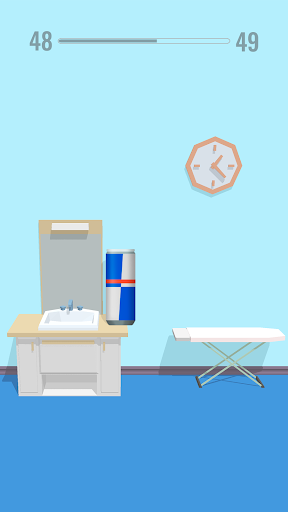
Bottle Jump 3D is a simple yet highly addictive arcade-style skill game that challenges players to flip and land a bottle across a series of increasingly difficult platforms. The goal is to control the strength and timing of each jump so the bottle lands upright without falling. With realistic physics, clean 3D visuals, and satisfying movement mechanics, the game turns a simple concept into a highly engaging reflex-based challenge that keeps players coming back for “just one more try.”What Makes Bottle Jump 3D Stand Out
Precision-Based Gameplay
Success depends entirely on timing and accuracy. Each tap determines the bottle’s jump distance and rotation, making every move feel rewarding and skill-driven.
Realistic Physics Engine
The game uses smooth physics that make every flip, bounce, and landing feel natural, adding depth to an otherwise simple mechanic.
Progressively Challenging Levels
As you advance, platforms become smaller, farther apart, and more complex, requiring better control and sharper reflexes.
Highly Addictive Loop
Quick restarts and short levels create a fast-paced retry cycle that encourages constant improvement and high replay value.
Overall Impression
Bottle Jump 3D delivers a straightforward but extremely engaging arcade experience built around precision and timing. Its simple controls, satisfying physics, and increasing difficulty make it a perfect pick-up-and-play game for short sessions or competitive score chasing.
Getting Started
Step 1: Start Your First LevelBegin with early stages to understand how the bottle rotates and how far it travels with each jump.
Step 2: Master Tap Timing
Tap to control the strength of each jump. Short taps create small jumps, while longer holds increase distance and rotation.
Step 3: Focus on Landing Stability
Always aim to land the bottle upright. A perfect landing helps you progress safely to the next platform.
Step 4: Study Platform Distance
Observe the spacing between objects before jumping. Planning ahead is key to avoiding unnecessary falls.
Step 5: Build Consistency
Try to maintain a steady rhythm instead of rushing. Consistent timing leads to higher success rates.
Step 6: Accept Quick Failures
Mistakes happen often—restart quickly and use each attempt to improve your precision.
Step 7: Challenge Higher Levels
Once comfortable, progress to harder stages where precision and timing become even more critical.
Recommended Games
Clash Royale
4.5

Toca Boca World x Hello Kitty
4.3

Magic Tiles 3™ - Piano Game
4.6

Geometry Dash
4.8

School Party Craft
4.5

Five Nights at Freddy's
4.7

Gangster City: Mafia Crime
3.4

Fortnite
3.8

Minecraft: Dream it, Build it!
4.4
Hole.io
3.2

Avatar World ®
4.7

Geometry Dash Lite
4.4
Spider Fighter 3: Action Game
4.6
Build A Queen
4.3

Poppy Playtime Chapter 2
4.0

Dude Theft Wars FPS Open world
4.3

Cat From Hell - Cat Simulator
4.3

Grand Theft Auto: San Andreas
4.3

Garten of Banban 2
4.0

Poppy Playtime Chapter 1
4.4